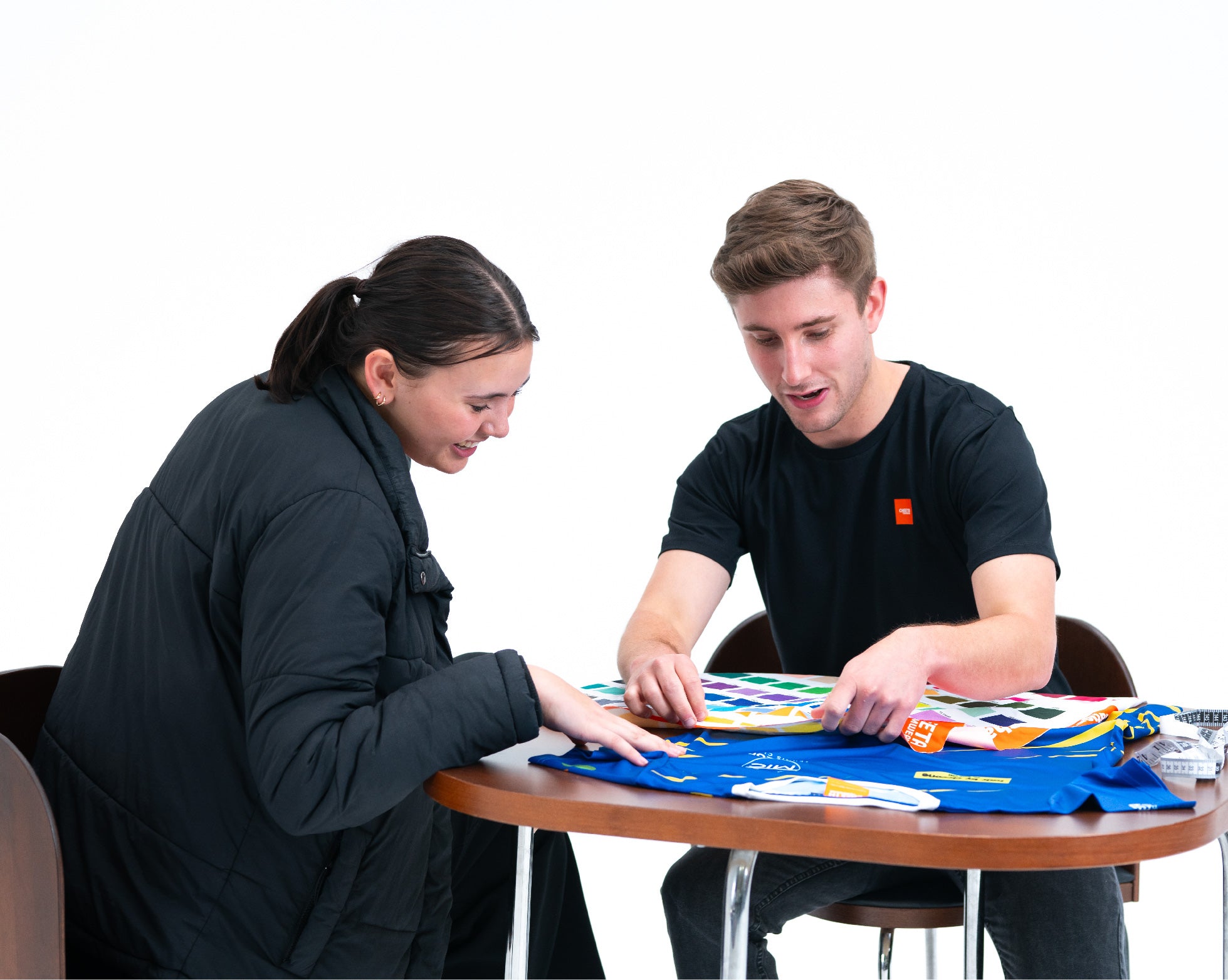
Custom sports apparel continues to evolve rapidly, driven by innovations in materials, design, and technology. For sports teams, athletes, and fitness enthusiasts, staying ahead of trends is about more than just style—it affects performance, brand identity, and fan engagement. In 2025, teams and individuals are seeking apparel that combines functionality, comfort, sustainability, and striking design. This guide explores the top trends shaping the future of custom sportswear and how brands can leverage them to stay competitive.
Why Custom Sports Apparel is More Popular Than Ever
The demand for custom sports apparel has grown steadily in recent years, fuelled by the desire for personalisation, strong team identity, and technological improvements in fabric performance. Modern teams and clubs want garments that reflect their brand, with logos, colours, and personalised names becoming standard expectations. Meanwhile, athletes and fitness enthusiasts increasingly seek apparel that enhances performance through moisture-wicking, anti-odor, and breathable fabrics. Market research indicates that the global custom sportswear industry continues to expand, driven by these overlapping needs for style, functionality, and individuality.
Trend #1: Sustainable and Eco-Friendly Materials
Sustainability is no longer a niche consideration—eco-conscious fabrics are now a central focus for sportswear manufacturers. Recycled polyester, organic cotton, and other environmentally friendly materials are being adopted to reduce waste and carbon footprint, while still providing high performance and comfort. For teams and brands, choosing sustainable fabrics communicates responsibility and resonates with fans and athletes who value environmentally conscious choices.
Innovations in Eco-Friendly Fabric Technology
Recent advancements in eco-friendly fabrics have improved durability, breathability, and moisture-wicking properties, making them comparable to conventional sports textiles. Recycled polyester can now be used to produce high-performance, lightweight jerseys, while organic cotton blends offer softness without compromising athletic performance. These innovations allow teams to invest in apparel that supports both sustainability and on-field functionality.
Trend #2: Advanced Performance Fabrics
Beyond sustainability, performance-focused materials continue to dominate custom sportswear. Modern fabrics now feature moisture-wicking technology, anti-odor treatments, and temperature regulation to help athletes stay comfortable and focused during training and competition. Lightweight yet durable textiles reduce fatigue and allow for greater mobility, providing a tangible performance advantage across a range of sports.
Smart Fabrics and Wearable Tech Integration
The integration of wearable technology into sports fabrics is an emerging trend. Sensors embedded within clothing can track heart rate, muscle activity, or body temperature, offering athletes real-time feedback and coaches actionable insights. These “smart fabrics” are particularly valuable for competitive teams and professional athletes who rely on data-driven training to improve performance and prevent injury.
Trend #3: Bold Designs and Customisation Options
In 2025, custom sports apparel is embracing bold colours, dynamic patterns, and highly personalised design elements. Teams are using vibrant palettes, gradient effects, and full-coverage prints to create a strong visual identity. Personalisation options, such as player names, numbers, and team logos, are standard, enhancing team cohesion and fan engagement alike.
The Role of Digital Printing in Custom Sportswear
Digital printing has revolutionised customisation by enabling fast, high-quality production of complex designs. Unlike traditional screen printing, digital techniques allow for intricate gradients, detailed patterns, and full-colour graphics without compromising fabric performance. This technology allows sports brands and teams to offer more visually striking apparel with shorter lead times.
Trend #4: Inclusive and Adaptive Sportswear
Inclusive and adaptive sportswear is gaining traction, addressing the diverse needs of athletes across body types, abilities, and genders. Adjustable fits, accessibility-focused designs, and unisex options ensure that every athlete can access apparel that fits comfortably and performs reliably. This focus on inclusivity not only improves athlete experience but also demonstrates a commitment to equality and community.
How Brands Can Stay Ahead in 2025
Sports brands and teams can leverage these trends by investing in sustainable materials, incorporating advanced performance fabrics, and offering highly customisable apparel. Engaging with emerging technologies, such as smart fabrics and digital printing, ensures products meet the demands of modern athletes. Additionally, aligning apparel choices with brand values—such as sustainability, inclusivity, and innovation—helps to build loyalty among players, fans, and broader communities.
Future Outlook: What’s Next for Custom Sports Apparel
Looking beyond 2025, the sportswear industry is likely to embrace AI-driven design tools, next-generation performance fabrics, and increasingly sophisticated personalisation techniques. Innovations may include predictive sizing, environmentally neutral production methods, and further integration of wearable tech. By staying informed and adaptable, teams and brands can continue to deliver apparel that meets evolving expectations for performance, style, and sustainability.