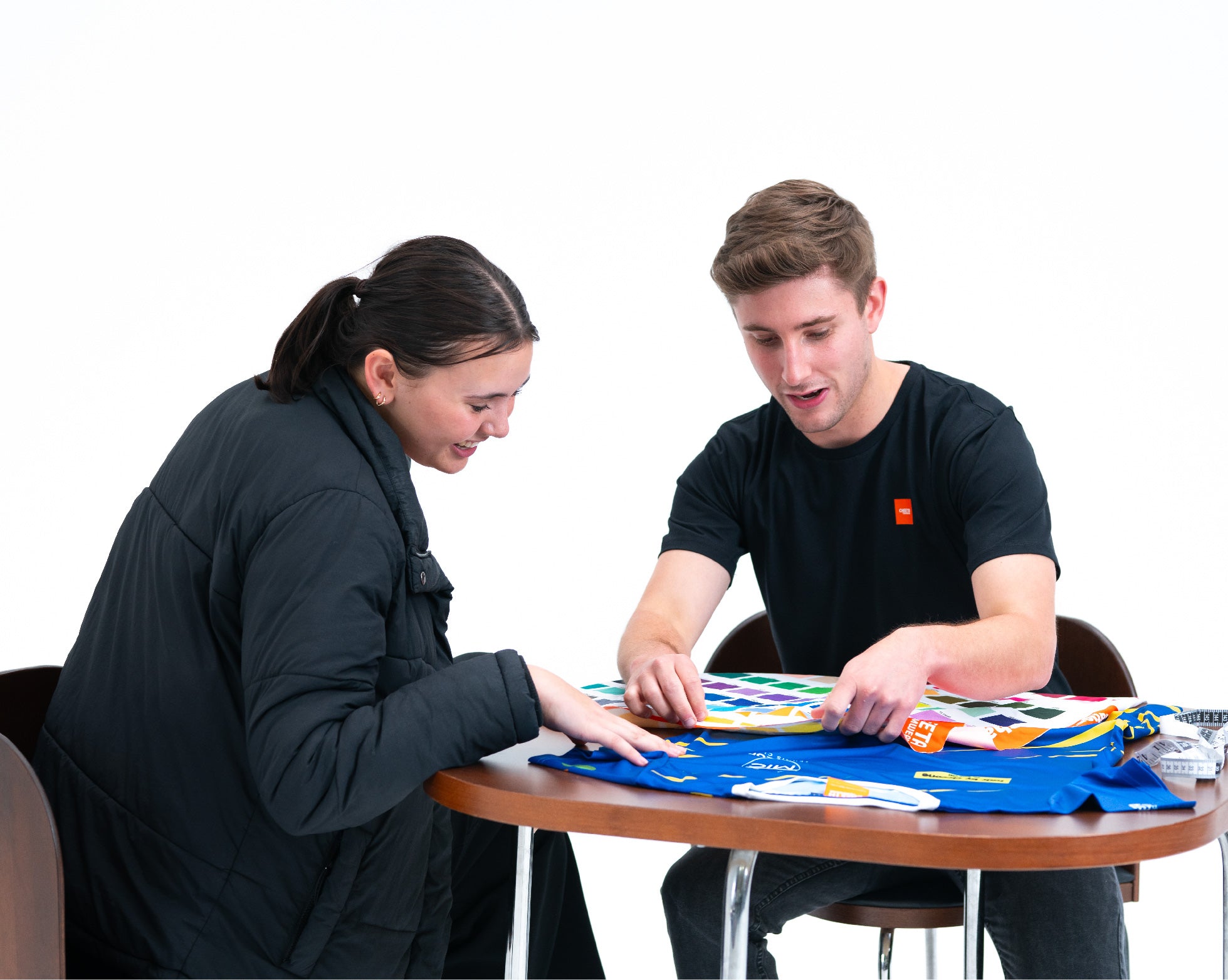
Tradies today face a choice between standard, off-the-shelf workwear and customised options tailored to their trade and brand. While the decision might seem purely aesthetic at first, personalisation goes far beyond looks. Custom workwear can enhance safety, comfort, durability, and professionalism, helping tradespeople perform better on the job while presenting a cohesive and trusted brand image. This guide explores the key differences between generic and custom workwear and why investing in personalised gear can make a real difference.
What is Generic Workwear?
Generic workwear refers to mass-produced clothing designed to suit a broad range of trades and work environments. It typically comes in standard sizes, uses basic fabrics, and lacks customisation options. While generic workwear is widely available and often affordable, it usually prioritises convenience over tailored functionality or branding.
Pros of Generic Workwear
One of the main advantages of generic workwear is its cost-effectiveness. It is usually cheaper than custom alternatives and widely available from retail stores or online suppliers. Generic workwear can also be versatile, working reasonably well across different trades such as gardening, maintenance, or general construction. For tradespeople who need basic, functional clothing without additional features, generic options can serve the purpose adequately.
Cons of Generic Workwear
However, generic workwear often comes with compromises. Standardised sizing can result in poor fit, which may restrict movement or reduce comfort during long workdays. It also lacks opportunities for branding, meaning teams miss a chance to showcase their professional identity. Additionally, generic garments usually offer limited durability, basic safety features, and minimal flexibility in terms of functionality or materials, which can impact both efficiency and worker satisfaction.
What is Custom Tradie Workwear?
Custom tradie workwear is clothing designed specifically to meet the needs of a trade, individual, or business. This can include tailored sizing, logo embroidery, company colours, specialised fabrics, and functional features such as extra pockets, reinforced areas, or hi-vis elements. Custom workwear allows tradespeople to have clothing that not only performs under job site conditions but also represents their business professionally.
Benefits of Custom Workwear
Investing in custom workwear offers numerous advantages. Properly fitted garments improve comfort and mobility, reducing fatigue over long shifts. Durable fabrics and reinforced areas extend the life of the clothing, providing better long-term value. Custom workwear also boosts professional appearance, making teams look cohesive and reliable. For businesses, branded clothing strengthens company identity, enhances client perception, and can even improve team morale by fostering a sense of pride and belonging.
Considerations Before Investing in Custom Workwear
Before committing to custom workwear, tradies should consider several factors. Budget and quantity are key—larger orders can often reduce unit costs, while complex designs may increase production time. Design options, including logos, colours, and functional features, should align with brand identity and practical needs. Turnaround time is another important factor, particularly for growing teams needing consistent uniformity. Selecting a reputable supplier who offers quality materials, safety compliance, and reliable customisation services ensures the best results.
How Personalisation Impacts Performance and Safety
Tailored workwear directly influences both performance and safety on the job. Well-fitted garments allow freer movement and reduce strain, while functional features such as adjustable cuffs, stretch panels, and reinforced areas protect against injury. Hi-vis colours and reflective detailing enhance visibility, and flame-resistant or abrasion-resistant fabrics provide essential protection for trades exposed to hazards. Overall, personalisation ensures workwear not only fits the worker but also supports their safety and efficiency throughout the day.
Custom Workwear as a Branding Tool
Beyond function and safety, custom workwear is a valuable branding tool. Branded clothing promotes a company’s identity, creating a professional first impression with clients and the public. Consistent use of logos, colours, and uniforms enhances marketing efforts and reinforces team cohesion. For clients, seeing a team in coordinated, branded workwear fosters trust and signals professionalism, while employees benefit from a sense of belonging and pride in representing their business.
Cost Comparison: Generic vs. Custom Workwear
While generic workwear is cheaper upfront, custom options often provide better long-term value. Custom garments are typically more durable and better suited to the rigours of a trade, reducing the frequency of replacements. Additional benefits, such as improved comfort, safety, and brand representation, also contribute to cost-effectiveness over time. Essentially, while the initial investment is higher, businesses and tradies often save money and improve efficiency through lower replacement costs and enhanced team performance.
Making the Right Choice for Your Team
When deciding between generic and custom workwear, consider the specific needs of your trade, your team size, and your brand identity. Key questions include: Do your workers require specialised fabrics or safety features? Will branding and professional appearance impact client perception? What is your budget for long-term investment? By evaluating comfort, functionality, safety, and branding alongside cost, businesses can make an informed choice that supports both team performance and professional image. Custom workwear isn’t just clothing—it’s an investment in safety, efficiency, and brand credibility.