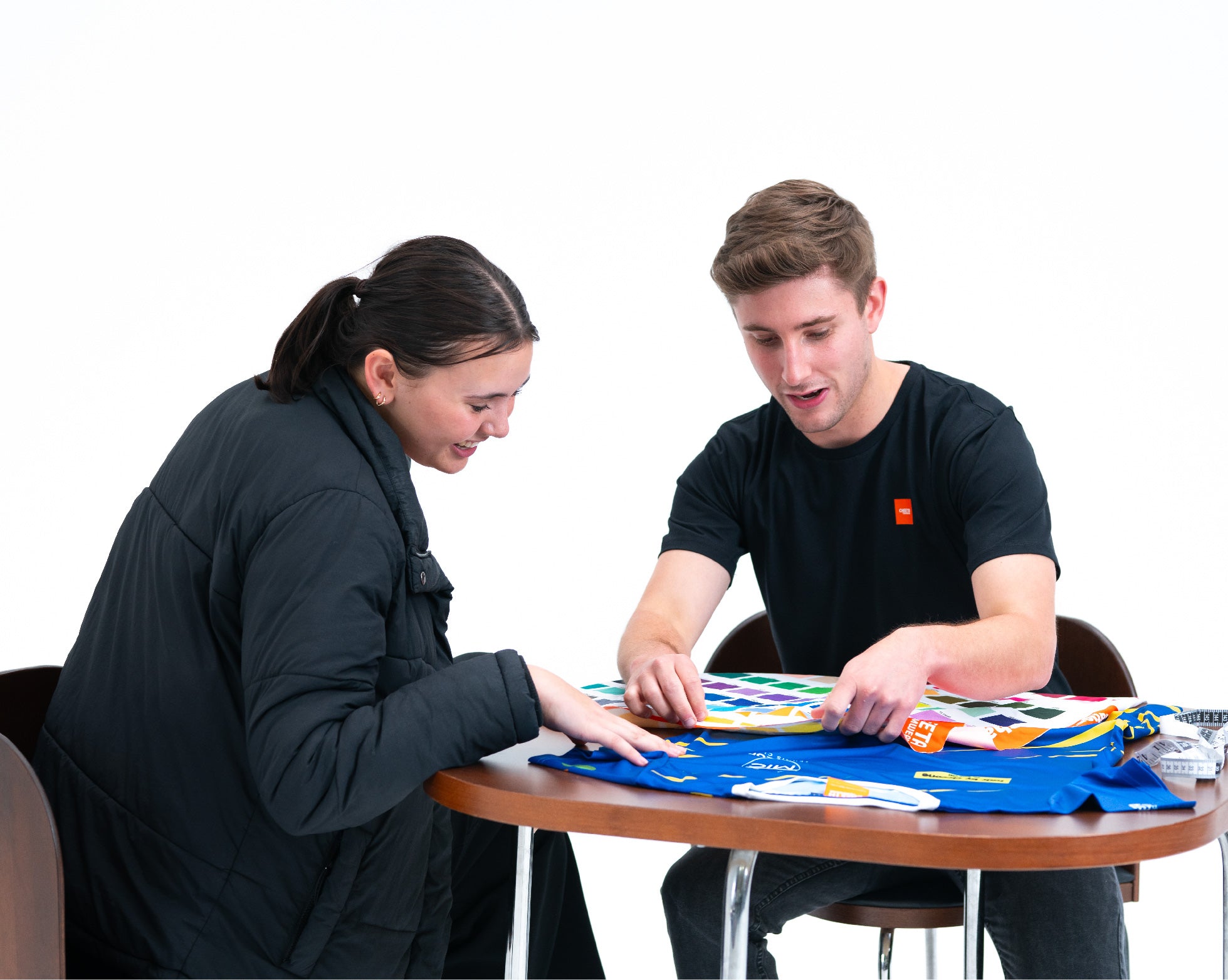
Hospitality uniforms need to feel comfortable and stay presentable through the messy reality of service, where that be front-of-house or back-of-house. Uniforms should also meet the unique needs of the teams wearing them in a clear branded range.
For venue owners, operations managers and franchise groups, the best setup starts with the roles on the roster. Once the job is clear, fabric, fit and branding placement are easier to choose.
Start With The Roles
Front-of-house staff are part of the guest experience from the moment someone walks in. Their uniforms need to look polished and feel comfortable during long service periods. A cafe team may need branded tees and polos. A restaurant floor team may need embroidered shirts, polos or a smarter tshirt setup.
Back-of-house staff have a different workday. Heat, steam, prep benches, dish areas, storage rooms and constant washing all matter.
Front Of House Uniform Essentials
Shirts, Polos & Branded Tops
FOH uniforms need a clean first impression. Embroidered shirts, polos and neat branded tees do the heavy lifting because they support brand recognition and suit floor staff, bar teams, counter staff and managers.
A relaxed cafe may suit a branded tee and cap. A restaurant may feel sharper with a shirt or polo in a darker tone. Franchise groups often need a small approved range that can be repeated across locations. If your venue needs a broader branded apparel range, custom corporate uniforms can be a useful starting point for polos, shirts, jackets, vests and caps.
Branded Uniforms For Service Flow
Branding should be clear during service. The chest area often works well for a logo. It’s always good to keep the logo placement away from heavy folds, ties or pockets that may distort the mark.
Layers For Outdoor & Mixed-Service Venues
Outdoor dining, food trucks, cellar doors, hotel courtyards and venue events often need an extra layer. A lightweight jacket, vest or branded outer layer can help staff stay comfortable while keeping the look consistent across indoor tables, outdoor service and pickup counters.
Back Of House Uniform Essentials
Fabric That Handles Heat & Washing
BOH uniforms need to earn their place in hot, busy spaces. Look for garments that feel breathable, wash well and do not become heavy halfway through service. Frequent laundering is part of the job, so fabric choice matters as much as colour and branding.
Darker colours can help manage visible marks in prep-heavy roles. Lighter colours may feel cooler in warm kitchens, although they show spills faster. The better question is how the team works, how often garments are washed and whether the uniform still feels comfortable near heat, steam and dish areas.
Fit That Keeps Staff Moving
Kitchen and prep staff need room to move. Sleeves should not catch. Shirt length should sit well and collars should not irritate during a long shift. If staff are lifting stock or reaching for shelves, tight fits become a problem quickly.
Branding That Stays Comfortable
BOH branding should stay simple. Left chest embroidery can work on shirts and polos when it is small and clean. Larger branding may suit a back print on selected garments, especially if staff also move through delivery zones or public-facing areas. Avoid placing embroidery where straps, collars, heat or repeated movement may irritate the wearer.
Fit, Fabric & Washing Choices That Matter
Good hospitality uniforms come from small practical decisions. For restaurant staff uniforms, think about the full shift rather than the first impression. Staff bend, carry trays, clean tables, restock fridges, polish glasses and manage spills. Garments should allow that movement without looking loose or untidy. For cafe uniforms, wash-and-wear pieces, branded caps can create a strong look without making the range hard to manage.
Branding Placement
The best branding placement stays visible, feels comfortable and suits the way the garment is worn. Left chest embroidery is a clean option for embroidered shirts hospitality teams wear on the floor. It looks professional, works well on polos and shirts, and does not take over the uniform.
Print can be useful for larger placements on tees, hoodies or selected outer layers. A back print may help staff stand out at festivals, outdoor service points, catering jobs or larger venues where customers need to identify the team from a distance. Match the branding to the full outfit, not the garment in isolation.
Keep logo files, thread colours, print colours and placement notes on record. That helps the next order match the first one when a venue opens another location or hires staff before peak season.
Hospitality Uniforms By Venue Type
Restaurants usually need a cleaner FOH finish, with embroidered shirts, polos that look good all shift. Cafes need pace, so branded tees, polos and caps often make more sense. Bars, breweries and casual venues can carry more personality through tees, caps and outer layers.
Franchise and multi-site groups need tighter control. Set approved garments, colours, logo placement and reorder rules early so each venue keeps the same shade, fit and decoration method.
Planning, Sizing & Reorders
Uniform admin becomes easier when the range is small and repeatable. Start with the core roles, then build a practical allocation. FOH staff may need shirts or polos and a layer for outdoor service. BOH staff may need breathable tops and easy-care items that handle regular washing.
Keep a small reserve of common sizes if your venue hires often. New starters should not have to borrow old shirts or wait through their first week in the wrong gear. For franchise groups, store size records, approved products and artwork notes in one place so each location can reorder with less back-and-forth.
For selected products, the Cheeta ‘Design Your Own’ tool can help teams create a starting point online. For larger hospitality uniform programs, request a quote so sizing, roles, decoration and garment mix can be planned together.
Hospitality Uniform Checklist
Before placing your hospitality uniform order, check:
☐ Which staff are front-of-house, back-of-house, management, bar, café, kitchen, delivery or event crew.
☐ What each role needs to handle during a normal shift.
☐ Which garments suit each role.
☐ Whether the fit allows staff to move, bend, reach, and work comfortably through a full shift.
☐ Which fabrics suit the venue, washing cycle and working conditions
☐ Where the logo should sit so it stays visible
☐ Whether embroidery or print is the better option for each garment
☐ Which colours, garment styles and logo placements need to stay consistent across future orders
☐ Which common sizes should be kept on hand for new starters or casual staff
☐ Where approved artwork files, sizing notes and reorder details will be stored
Common Mistakes When Ordering Hospitality Uniforms
The most common mistake is choosing one garment for every staff member. FOH and BOH teams work in different conditions, so the uniform range should reflect that. Another issue is placing logos where they rub, fold or disappear under layers.
Fabric choice can also get rushed. A shirt may look neat in a mock-up and still feel too warm near the pass or too formal for a fast cafe floor. Reorders create another trap. If colours, artwork and placement notes are not saved, the next batch can look slightly different.
Build A Hospitality Uniform Range That Works Shift After Shift
A strong hospitality uniform range gives FOH staff polish, gives BOH staff comfort and gives the venue a consistent branded look across the whole roster. Start with the roles, choose fabrics that match the workday and place branding where it stays clear and comfortable.
If your venue is reviewing hospitality uniforms, talk to Cheeta about embroidered shirts, cafe uniforms, custom polo shirts and practical uniform options for your team. You can request a quote and build a range that suits the way your venue actually runs.
Hospitality Uniforms FAQ
What Should Be Included In A Hospitality Uniform Range?
A practical range usually includes FOH shirts or polos, branded caps, BOH-friendly tops, headwear where needed and seasonal layers for outdoor service. The right mix depends on staff roles, washing frequency and venue style.
What Is The Difference Between FOH And BOH Uniforms?
FOH uniforms focus on guest-facing presentation, brand recognition and comfort during service. BOH uniforms focus on heat, movement, washing and workflow near prep benches, dish areas and grills.
Are Embroidered Shirts A Good Option For Hospitality Staff?
Yes. Embroidered shirts work well for restaurant managers, cafe teams, hotel staff and customer-facing roles. Left chest embroidery is usually the cleanest starting point because it looks professional and stays readable.
How Should Venues Plan Hospitality Uniform Reorders?
Keep approved garments, colours, logo files, placement notes and common sizes in one place. This makes reorders cleaner when seasonal staff join, a new venue opens or older uniforms need replacing
Are Embroidered Shirts Or Polos Better For Hospitality Uniforms?
Embroidered shirts are usually the smarter choice for a more polished FOH look. Polos are often better for cafés, bars, casual dining and staff who need more movement through a busy shift. Many venues use both: shirts for managers or floor leaders, and polos for everyday service teams.