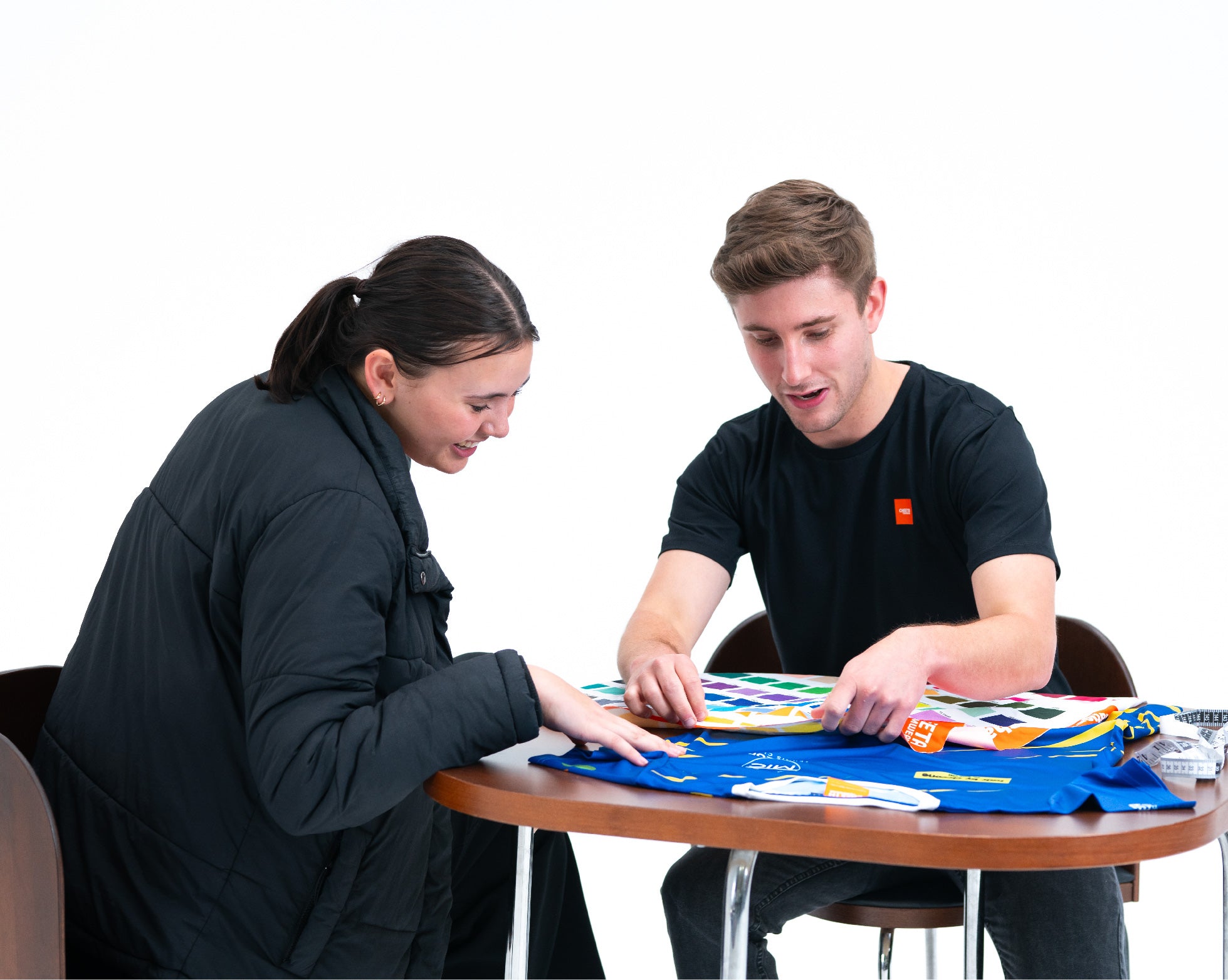
Buying branded uniforms sounds simple until the order lands on your desk. The office team needs polos, the site crew wants hi-vis, a new starter begins on Monday and the owner wants the brand to look sharp in front of customers.
That is where planning pays off. The right uniform range can make your team easier to recognise, more comfortable at work and simpler to manage across the year.
With the right plan, you can choose the right uniform pieces, and understand the general ATO categories that may apply to work clothing deductions and laundry deduction claims.
This is not tax advice, so remember to treat the tax information as general guidance only, and confirm your own situation with an accountant.
Match Uniforms To The Workday
Start with the work your team actually does. Their uniform setup needs to match the way they spend the day. Good planning starts with the daily conditions, then works back to the garment mix.
Plan Around Each Role
Customer-facing staff usually need branded uniforms that look tidy in meetings, at front counters and on the road. Branded polos and custom shirts are often the safest starting point because they are easy to wear, easy to brand and simple to reorder.
Cheeta’s custom corporate uniforms cover polos, shirts, jackets, vests and caps for businesses that need a consistent team look across office, sales and customer-facing roles.
Think About Site Conditions
Tradie teams need gear that works hard through long days. Visibility, movement, washing frequency, early starts, site conditions and year-round comfort all matter.
Custom work shirts, hi-vis polos, hoodies, tees, shorts, caps and beanies can all have a place when the gear needs to handle ute trays, dust, heat, cold mornings and daily wear on site.
Cheeta’s custom tradie workwear covers practical gear for trade teams, including hi-vis and work shirts, caps and beanies.
Keep The Approved Range Tight
The smartest uniform range usually has a small number of pieces that cover most working days. That might mean polos and jackets for office staff, then hi-vis polos, hoodies and caps for the crew.
Fewer approved options make ordering easier. They also reduce decision fatigue when a new starter joins, a shirt needs replacing or the next reorder is due.
Uniforms That Deliver The Best ROI
The best value usually comes from pieces that staff wear often, customers see regularly and admins can reorder easily.
Start With The Pieces Staff Wear Most
For many businesses, polos, custom shirts, work shirts and tees do the heavy lifting. They are easy to issue, simple to size and useful across many roles. Logo polo shirts are a practical option for offices, customer-facing teams, events and everyday workwear.
When choosing core pieces, think about fabric weight, washing frequency, fit and colour. Darker colours can suit hands-on roles. Lighter colours may feel sharper for office or showroom staff. If the team works outside, breathability and coverage need a place in the decision before artwork is approved.
Add Seasonal Pieces With Purpose
Seasonal items should earn their place. Jackets, vests, hoodies, caps and beanies can be strong buys when they solve a real problem. Outdoor teams may need caps for sunny days, beanies for winter starts and jackets for early site checks.
If your team needs outerwear, custom jackets can help round out the range without adding rarely used extras.
Keep A Small New Starter Kit Ready
New starters create uniform pressure quickly. Keep a small reserve of common sizes in the items you use most, especially polos, work shirts and caps. This helps admins avoid emergency orders.
Make The Branding Practical, Clean & Consistent
Good branding has to work on real people, in real places. A logo that looks sharp on a mock-up can feel too large on a polo, too small on a jacket, or too detailed for embroidery.
Choose Logo Placement By Role
For corporate uniforms, a left chest logo is often the cleanest option. It looks professional on polos, shirts and jackets, and it gives the brand a tidy presence in meetings, at reception desks and on the road.
Sleeve details can add a sharper branded finish for customer-facing roles. For site crews, delivery teams or event staff, a larger back print can make the business easier to identify from a distance.
Match The Decoration To The Garment
Decoration method matters. Embroidery is often a strong choice for polos, shirts, caps and jackets because it feels durable and professional. It works especially well for smaller logos and long-term uniform pieces.
Print can be a better fit for large logos, tees and hoodies. It gives you more room for bigger branding and stronger visibility across the back or chest. The right choice depends on the garment, the logo detail and how the item will be worn during the workday.
Keep The Final Range Consistent
Once the branding is approved, keep the rules easy to repeat. Use the same logo files, colours and placement notes across the full order. Store those details where your admin or ops team can find them later.
That record makes future reorders cleaner. A new batch of polos, jackets or work shirts should look like part of the same uniform range, even when it is ordered months later.
Plan Sizing, Reorders & Rollout
Uniform problems often come from the admin around the order. Missing sizes, unclear quantities and last-minute additions can turn a simple job into a messy one.
Before requesting a quote, list every role that needs a uniform and how many pieces each person needs. A full-time site worker may need more shirts than a part-time admin team member.
Sizing deserves care. Ask staff for sizes early and allow for male, female and unisex fits where relevant. Winter layers need extra thought because hoodies, jackets and vests may be worn over polos or work shirts.
A Simple Uniform Buying Checklist
Before you lock in the order, check staff roles, garment quantities, seasonal needs, visibility requirements, customer-facing presentation, logo placement, size range, new starter stock, reorder timing and approved artwork files.
Work Clothing Tax Deductions
Uniform planning often raises tax questions, especially when staff pay for work clothing themselves or wash eligible workwear at home. Treat this as general information only. Tax rules depend on the garment, how it is used, whether it is compulsory or protective, and whether the employee has been reimbursed.
Know The Main ATO Clothing Categories
ATO work clothing, laundry and dry-cleaning guidance generally covers deductions for eligible occupation-specific clothing, protective clothing, compulsory uniforms and registered non-compulsory uniforms.
Occupation-specific clothing generally identifies a particular occupation. Protective clothing is worn to guard against a real risk at work, such as injury, illness or harsh conditions. A compulsory uniform is a distinctive uniform an employer requires staff to wear. A non-compulsory uniform generally needs to be registered on the Register of Approved Occupational Clothing before it can qualify.
Keep Records Clean
For businesses planning uniforms, the key lesson is to keep records clean and avoid loose assumptions. A branded polo may make sense for presentation, although tax treatment still depends on the details.
It helps to keep clear notes on what has been supplied, what staff are required to wear, whether any reimbursement applies, and which garments form part of the approved uniform range. That gives staff and accountants a better starting point when tax questions come up.
Handle Laundry Claims Carefully
Laundry deduction claims also need care. ATO guidance refers to reasonable laundry calculations such as $1 per load for eligible work clothing only, or 50 cents per load when eligible work clothing is mixed with personal items.
Workers still need to show how the claim was calculated. If staff are unsure whether a garment or laundry cost qualifies, they should confirm the details with an accountant before making a claim.
Smarter Uniforms Start With A Better Plan
A strong uniform range should make life easier for the people wearing it and the people ordering it. Start with the workday, choose the pieces staff will wear, keep the branding clean and plan the rollout before the order becomes urgent.
For tax questions, confirm the details with an accountant before relying on any work clothing deduction or laundry deduction claim. Request a quote or call (03) 7017 1972 to speak with us about a branded range that fits your team, your budget and your working week.
Branded Uniforms FAQ
What Should A Business Include In A Branded Uniform Range?
Start with the pieces staff wear most, such as branded polos, custom shirts, work shirts, tees, caps and practical outerwear. Add hi-vis, hoodies, jackets, vests or beanies where the role calls for them.
Is Embroidery Or Print Better For Branded Uniforms?
Embroidery is a strong choice for polos, shirts, caps, jackets and vests because it gives the logo a clean, professional finish and suits long-term uniform pieces. Print can work well for tees, hoodies and larger back logos where the brand needs more space or stronger visibility. The best choice depends on the garment, the logo detail, the placement and how often the item will be worn or washed.
Can Farm Workwear Be Branded With A Logo?
Yes. Farm and rural workwear can be branded with embroidery or print, depending on the garment and logo placement. Embroidery works well on polos, jackets, caps, beanies, and some outerwear. Print can suit tees, hoodies, and larger back placements. For active outdoor work, logos should stay visible without sitting in high-rub areas.
How Do You Choose Uniforms For Different Staff Roles?
List the roles first. Office and customer-facing staff may need polos, shirts and jackets. Site crews may need work shirts, hi-vis options, hoodies, caps and beanies.
Can Branded Uniforms Be Claimed As A Work Clothing Deduction?
That depends on the garment, the work situation and the ATO rules that apply. The main categories include occupation-specific clothing, protective clothing, compulsory uniforms and registered non-compulsory uniforms. Confirm the details with an accountant.
Can Staff Claim A Laundry Deduction For Uniforms?
Eligible work clothing may support a laundry deduction when the worker pays for laundering and can show how the amount was calculated. Claims depend on the clothing category and the worker’s own records.
How Can Businesses Make Uniform Reorders Easier?
Keep the approved garment list, logo files, colour choices, decoration method, size notes and previous order details in one place. That record saves time when new starters arrive or old gear needs replacing.